







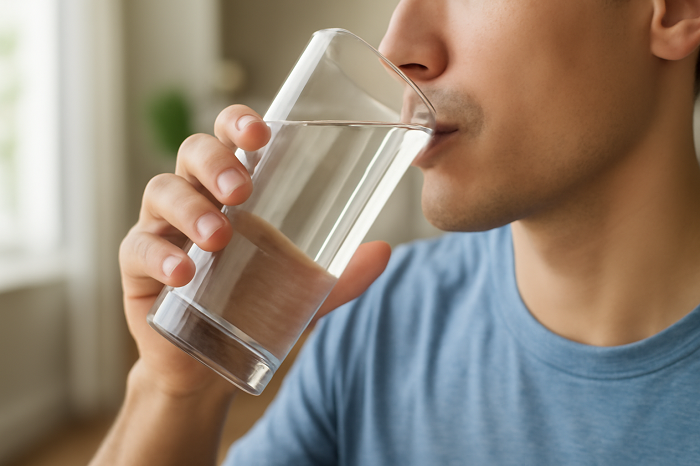
Water is essential to life. It makes up approximately 60% of the human body and is involved in nearly every bodily function, from regulating body temperature to transporting nutrients. Yet, many people fail to drink enough water every day. The recommended amount varies based on factors like age, gender, activity level, and climate, but experts agree that drinking water regularly is key to maintaining optimal health. In this article, we will explore the top 10 benefits of drinking water every day and why you should make it a part of your daily routine.
Introduction
Water is often underestimated as a simple necessity. However, it is the foundation of good health. While many people focus on consuming vitamins, minerals, and protein-rich foods, they overlook the importance of hydration. Without enough water, your body can’t function properly. In fact, dehydration can cause various issues ranging from headaches and fatigue to more severe health complications. This article will dive into the top 10 benefits of drinking water every day and how staying hydrated can boost your physical and mental well-being.
1. Boosts Physical Performance
One of the most immediate benefits of drinking enough water is enhanced physical performance. Whether you’re hitting the gym, running, or participating in any form of exercise, hydration plays a critical role in your body’s ability to perform. When you’re dehydrated, your body’s ability to regulate temperature is compromised, which can lead to fatigue, increased heart rate, and even muscle cramps. Drinking water ensures that your body stays cool and your muscles stay hydrated, helping you power through intense workouts or sports activities.
2. Promotes Healthy Skin
Drinking water can significantly improve the appearance of your skin. Proper hydration helps keep your skin moist and elastic, reducing the appearance of wrinkles and fine lines. Water flushes toxins out of the body, which can help prevent acne and other skin issues. When you are dehydrated, your skin may look dry, dull, and flaky. Maintaining hydration improves the skin’s texture and contributes to a healthier, youthful glow. So, if you’re looking for natural skincare, water is one of the simplest (and most effective) remedies.
3. Aids Digestion and Prevents Constipation
Drinking enough water supports digestion by helping to break down food in the stomach and aiding nutrient absorption. It also plays a crucial role in preventing constipation. When your body is well-hydrated, the digestive system can move waste more efficiently, making it easier to pass stool. Dehydration can lead to hard and dry stools, which are difficult to pass, leading to constipation. Consuming sufficient water ensures that your digestive system functions properly, promoting regular bowel movements and preventing gastrointestinal discomfort.
4. Supports Weight Loss
Drinking water can also assist in weight loss. Water is a natural appetite suppressant. Often, our brains confuse thirst with hunger, leading us to eat when we are actually just thirsty. Drinking water before meals can help reduce your appetite, leading to smaller portion sizes and, over time, weight loss. Additionally, water is calorie-free, so replacing sugary drinks with water can significantly cut down on your calorie intake. Some studies also suggest that drinking cold water can slightly boost metabolism, further aiding weight loss efforts.
5. Detoxifies the Body
Water is essential for detoxifying the body. The kidneys, which are responsible for filtering out waste from the blood, need adequate water intake to function properly. When you drink enough water, your kidneys can efficiently remove toxins and waste products from the bloodstream and excrete them through urine. Hydration also supports the liver in its detoxification process. By flushing toxins out of the body, drinking water helps prevent the buildup of harmful substances that could lead to chronic illnesses.
6. Improves Cognitive Function
The brain is highly sensitive to dehydration. Even a small decrease in hydration can affect your cognitive abilities, leading to poor concentration, memory problems, and mental fatigue. Drinking water supports brain function by maintaining a balanced fluid level in the brain. This results in improved focus, better memory retention, and enhanced overall mental clarity. Staying hydrated also supports mood regulation and reduces the risk of headaches, which can be triggered by dehydration.
7. Regulates Body Temperature
Drinking water helps regulate your body temperature. As the body sweats to cool itself, it loses water through perspiration. Proper hydration ensures that the body can maintain its optimal temperature, even in hot environments or during physical activity. Without enough water, you may experience excessive sweating, heat exhaustion, or even heat stroke. By staying hydrated, you allow your body to maintain thermal balance, which is crucial for both comfort and health.
8. Boosts Immunity
Hydration plays a role in boosting the immune system. When you’re properly hydrated, your body’s natural defense mechanisms are better able to fight off infections and illnesses. Water helps in the production of lymph, a fluid that circulates in the body and supports immune functions. Additionally, staying hydrated helps to thin mucus, which can assist in preventing colds, flu, and other respiratory infections. Drinking enough water strengthens your body’s ability to ward off disease and recover more quickly when you do fall ill.
9. Promotes Joint Health
Water is vital for maintaining healthy joints. It lubricates the joints and helps maintain their flexibility. When you’re dehydrated, the synovial fluid in your joints becomes thicker, which can cause friction and lead to joint pain or discomfort. Drinking enough water ensures that the synovial fluid remains at an optimal consistency, reducing joint pain and stiffness, especially in conditions like arthritis. Staying hydrated is essential for keeping your joints comfortable and mobile, particularly as you age.
10. Enhances Kidney Health
The kidneys are responsible for filtering out waste products and excess substances from the body. Proper hydration supports kidney function by ensuring that they can efficiently remove waste through urine. Dehydration can lead to kidney stones, urinary tract infections, and even kidney failure in severe cases. Drinking enough water helps dilute the waste in the urine, reducing the likelihood of kidney stones and other complications. Consistent hydration is crucial for the long-term health of your kidneys and urinary system.
Conclusion
Drinking water every day is more than just a habit; it’s a key to maintaining good health. From promoting physical performance and healthy skin to aiding digestion, weight loss, and cognitive function, the benefits of drinking water are undeniable. Hydration plays an essential role in the proper functioning of nearly every system in the body. To reap the many benefits of water, it’s important to make it a part of your daily routine.
If you find yourself struggling to drink enough water, start by carrying a water bottle with you throughout the day. Set reminders to take a few sips regularly, and consider adding flavor to your water with a slice of lemon or cucumber to make it more enjoyable. The benefits are clear, and staying hydrated is one of the easiest and most effective ways to improve your overall health and well-being.
Frequently Asked Questions (FAQs)
Q1. How much water should I drink every day?
Answer. The amount of water you need depends on factors such as age, activity level, and climate. However, a general guideline is to aim for at least 8 glasses (64 ounces) of water per day. More may be needed for individuals who are highly active or in hot environments.
Q2. Can I drink other beverages instead of water?
Answer. While other beverages like herbal teas and water-rich foods (e.g., fruits and vegetables) can contribute to hydration, water is the best option for maintaining proper hydration. Sugary or caffeinated drinks can actually dehydrate you.
Q3. What are the signs of dehydration?
Answer. Common signs of dehydration include dry mouth, dark urine, fatigue, dizziness, and headaches. If you experience these symptoms, it’s important to drink water immediately and seek medical attention if needed.
Q4. Can I drink too much water?
Answer. Yes, overhydration can lead to water intoxication, a rare but serious condition that dilutes the sodium in your body. It’s important to drink water in moderation and listen to your body’s thirst cues.