







Stress has become an unavoidable part of modern life. From work pressures to personal challenges, the constant rush of daily responsibilities can leave us feeling overwhelmed. However, it’s essential to acknowledge that chronic stress can have significant effects on both our mental and physical health. Fortunately, there are many natural methods available to manage and reduce stress without relying on medication. In this article, we will explore the top 10 ways to reduce stress naturally, focusing on holistic approaches that are proven to help promote relaxation and overall well-being.
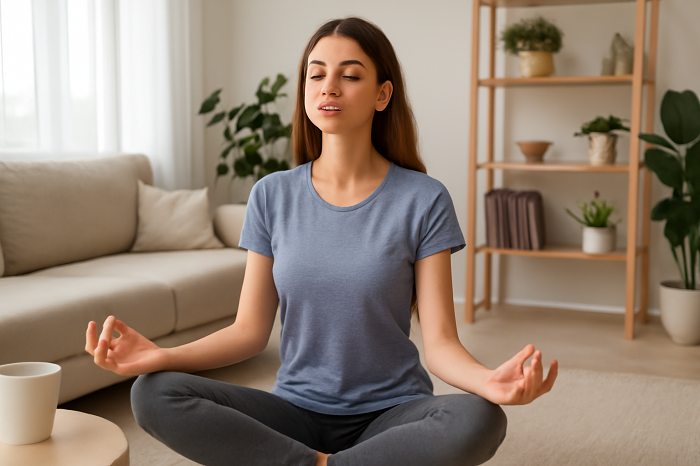
1. Practice Mindfulness Meditation
Mindfulness meditation is a powerful technique that encourages individuals to focus on the present moment. This simple yet effective practice helps calm the mind and promotes a sense of peace. Mindfulness meditation has been shown to reduce cortisol levels (the stress hormone), lower blood pressure, and improve emotional regulation. By dedicating just 10 to 15 minutes daily, you can experience improved focus, better mood, and reduced anxiety. The key is consistency – the more you practice mindfulness, the more benefits you will experience.
2. Engage in Regular Physical Exercise
Exercise is widely known for its positive impact on mental health. Physical activity releases endorphins, the body’s natural mood boosters, which can help combat feelings of stress and anxiety. Whether it’s a brisk walk, a yoga session, or an intense workout, regular exercise helps reduce tension in the body, increase energy levels, and enhance overall mental clarity. Aim for at least 30 minutes of moderate exercise most days of the week. Additionally, incorporating strength training or aerobic exercises can help further reduce stress.
3. Breathing Exercises
Deep breathing exercises are a simple yet effective way to activate the body’s relaxation response. When stressed, the body’s breathing becomes shallow, leading to increased tension and anxiety. Practicing deep breathing techniques, such as diaphragmatic breathing or the 4-7-8 method, helps to slow down the heart rate, relax the muscles, and reduce stress levels. Simply inhale for a count of four, hold your breath for seven seconds, and exhale slowly for eight seconds. This technique can be done anywhere and anytime you need to feel calmer and more centered.
4. Herbal Teas and Natural Supplements
Certain herbal teas and natural supplements can help ease stress and promote relaxation. Chamomile, lavender, and valerian root are known for their calming properties and can be consumed in tea form. These herbs help to relax the nervous system, improve sleep quality, and reduce anxiety. Additionally, supplements like magnesium, omega-3 fatty acids, and ashwagandha are linked to reduced stress levels. Always consult a healthcare professional before incorporating new supplements into your routine to ensure they are safe and suitable for your specific needs.
5. Get Sufficient Sleep
Sleep plays a crucial role in stress management. Lack of sleep can exacerbate stress levels and impair cognitive function, making it harder to manage daily challenges. Aim for 7-9 hours of quality sleep each night to help your body and mind recover. Creating a bedtime routine that promotes relaxation, such as reading a book, taking a warm bath, or practicing gentle yoga stretches, can help improve sleep quality. Additionally, maintaining a consistent sleep schedule and reducing screen time before bed can help regulate your circadian rhythm and ensure a restful night’s sleep.
6. Maintain a Healthy Diet
What you eat can directly influence your stress levels. A well-balanced diet rich in fruits, vegetables, whole grains, and lean proteins provides the nutrients needed for the body to function optimally. Some foods, such as dark chocolate, fatty fish, and foods high in vitamin B and antioxidants, are known for their stress-reducing properties. On the other hand, excessive caffeine, sugar, and processed foods can contribute to stress and anxiety. Consider reducing your intake of stimulants and focusing on nutrient-dense, whole foods to support your body’s stress response.
7. Spend Time in Nature
Spending time outdoors in natural environments has been proven to reduce stress levels and improve mood. Nature has a calming effect on the mind, helping to reduce mental fatigue and restore focus. Whether it’s a hike through the woods, a walk in the park, or simply sitting by the ocean, time spent in nature can reduce the levels of cortisol in your body. The sights, sounds, and smells of the natural world offer a soothing escape from the demands of daily life and promote a sense of tranquility.
8. Practice Yoga and Stretching
Yoga is an ancient practice that combines physical postures, breathing exercises, and meditation. It has been shown to reduce stress, improve flexibility, and enhance mental clarity. Regular yoga practice can help release tension stored in the muscles, improve circulation, and promote deep relaxation. Additionally, incorporating stretching into your daily routine can alleviate physical tension caused by stress and improve your overall sense of well-being. Consider attending a local yoga class or following online tutorials to start reaping the benefits of yoga.
9. Connect with Loved Ones
Social support plays a vital role in stress management. Connecting with friends, family, or a support group provides a sense of community and belonging, helping you feel understood and less isolated. Engaging in meaningful conversations or simply spending quality time with loved ones can boost your mood and reduce feelings of stress. If possible, make it a habit to connect with others regularly, whether in person, via phone calls, or through virtual meetups.
10. Listen to Music
Listening to music is one of the easiest and most enjoyable ways to reduce stress. Studies have shown that music, especially calming genres like classical or nature sounds, can lower cortisol levels and promote relaxation. Create a playlist of your favorite soothing songs or explore instrumental music to help you unwind after a stressful day. Music can be a powerful tool to shift your mood and create a peaceful atmosphere, whether you’re at home, at work, or on the go.
Conclusion
Managing stress naturally is not only about alleviating its symptoms but also about improving your overall quality of life. By incorporating these top 10 stress-reducing techniques into your routine, you can foster a sense of calm and well-being. Remember, consistency is key when it comes to reaping the benefits of these natural remedies. Whether you choose mindfulness meditation, regular exercise, or simply spending time in nature, taking proactive steps to reduce stress can have long-lasting positive effects on both your body and mind.
Frequently Asked Questions (FAQs)
Q1. How long should I meditate each day to reduce stress?
Answer. It’s recommended to meditate for at least 10-15 minutes each day. However, the more frequently you meditate, the better the results. Even a few minutes of mindfulness can have a significant impact on stress levels.
Q2. Can exercise help with stress if I’m feeling overwhelmed?
Answer. Yes, exercise is one of the most effective ways to reduce stress. Physical activity helps to release endorphins, which improve your mood and relieve tension in the body.
Q3. Is there a specific diet that can help with stress management?
Answer. A diet rich in fruits, vegetables, whole grains, and lean proteins can help reduce stress. Avoiding excessive caffeine, sugar, and processed foods is also important to maintain balanced energy levels.
Q4. How can I manage stress if I don’t have time for long workouts?
Answer. Short bursts of physical activity, such as a quick walk or a few minutes of stretching, can still be effective in reducing stress. Even small movements can help relieve tension and improve mood.
Q5. How do I know if I need professional help for my stress?
Answer. If you find that stress is overwhelming, persistent, or impacting your ability to function, it may be time to seek professional support. A therapist or counselor can help you manage stress and provide coping strategies tailored to your needs.