






In today’s fast-changing world, education is no longer only about memorizing facts or passing exams. The future of work and learning demands skills that prepare students to adapt, innovate, and thrive in unpredictable environments. As technology reshapes industries and global challenges require smarter solutions, students must develop a combination of cognitive, digital, and interpersonal abilities. Understanding the top 10 skills students need for the future can help parents, educators, and learners themselves focus on what truly matters for long-term success.
1. Critical Thinking and Problem-Solving
One of the most important skills students must master is critical thinking. With an overwhelming amount of information available, being able to analyze, evaluate, and interpret data is vital. Employers value individuals who can approach problems logically, think outside the box, and offer innovative solutions. Whether it is solving a scientific challenge, making sense of market trends, or handling personal decisions, problem-solving abilities will remain the cornerstone of future success.
2. Creativity and Innovation
Creativity is no longer limited to artists and writers. In the age of artificial intelligence and automation, creativity gives humans the unique advantage machines cannot replicate. Students who can innovate, design new ideas, and develop creative approaches to challenges will stand out in every field. Encouraging curiosity, experimentation, and design thinking in education nurtures creativity that becomes a lifelong asset.
3. Digital Literacy
Technology will continue to dominate the future, which makes digital literacy a non-negotiable skill. Students need to understand how to use digital tools effectively, navigate online platforms safely, and adapt to emerging technologies. From coding and data analysis to understanding artificial intelligence and cybersecurity basics, digital fluency equips learners for jobs that may not even exist yet. Schools and educators must integrate digital learning to prepare students for the realities of tomorrow’s workforce.
4. Emotional Intelligence
Emotional intelligence, or EQ, is the ability to understand and manage one’s emotions and empathize with others. In collaborative environments, students who display empathy, self-awareness, and strong interpersonal skills are better team players and leaders. Unlike technical knowledge, emotional intelligence helps build healthy relationships, manage stress, and resolve conflicts, which makes it essential for both professional and personal success.
5. Communication Skills
Strong communication skills remain timeless. The ability to express ideas clearly, listen actively, and adapt messages for different audiences is crucial in every career. In a world where remote work and global collaboration are becoming common, students who can communicate effectively across cultures and mediums will thrive. Whether it is writing a professional email, delivering a presentation, or engaging in meaningful conversations, communication bridges the gap between ideas and impact.
6. Adaptability and Resilience
The future is unpredictable, and adaptability will determine how well students can handle change. New technologies, shifting job markets, and global challenges will demand resilience. Students must learn to embrace change, overcome setbacks, and continuously upgrade their skills. Resilient learners approach challenges as opportunities rather than threats, ensuring they remain relevant no matter how industries evolve.
7. Collaboration and Teamwork
Most real-world problems cannot be solved alone. Collaboration and teamwork are essential in classrooms, workplaces, and communities. Students must learn to work effectively with diverse groups, value different perspectives, and contribute to collective goals. Strong collaboration skills also prepare learners for cross-disciplinary projects, where combining knowledge from different fields leads to better solutions.
8. Leadership Skills
Leadership is not only about managing others, but also about inspiring, guiding, and motivating teams toward success. Future leaders must be ethical, visionary, and capable of decision-making in complex environments. Students can develop leadership through participation in school projects, community service, or extracurricular activities. These experiences nurture accountability, responsibility, and the ability to influence others positively.
9. Global and Cultural Awareness
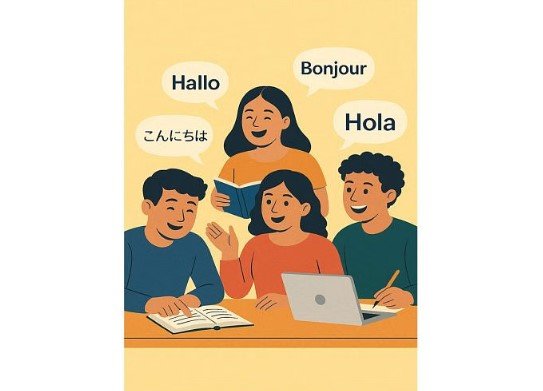
The world is more connected than ever before, and global awareness is a skill students cannot ignore. Understanding cultural diversity, respecting different perspectives, and being open to international collaboration prepare students for careers in global markets. Exposure to languages, world history, and global issues such as climate change or economic shifts helps learners become responsible global citizens.
10. Lifelong Learning Mindset
Perhaps the most essential skill for the future is the mindset of lifelong learning. Knowledge is expanding at a rapid pace, and the skills of today may become obsolete tomorrow. Students who embrace continuous learning, curiosity, and self-improvement will always stay ahead. Whether through online courses, professional development, or personal exploration, lifelong learners adapt easily to new opportunities and challenges.
Conclusion
The future belongs to those who are prepared, adaptable, and innovative. While academic achievements remain important, the real foundation for long-term success lies in mastering these ten skills. Critical thinking, creativity, digital literacy, emotional intelligence, communication, adaptability, teamwork, leadership, global awareness, and a lifelong learning mindset empower students to navigate a rapidly changing world with confidence. Parents and educators play a crucial role in fostering these abilities, while students themselves must take responsibility for their personal growth. By focusing on these future-ready skills, learners can unlock opportunities, stay relevant in competitive industries, and contribute meaningfully to society.
Frequently Asked Questions
Q1. What skills will be most important for jobs in the future?
Answer. Jobs of the future will prioritize critical thinking, digital literacy, emotional intelligence, and adaptability, as these skills help workers thrive in fast-changing industries.
Q2. Why is creativity important for students?
Answer. Creativity allows students to develop innovative solutions, adapt to challenges, and bring unique perspectives that machines cannot replicate.
Q3. How can students improve their communication skills?
Answer. Students can enhance communication by practicing public speaking, writing regularly, engaging in debates, and learning to listen actively.
Q4. What role does emotional intelligence play in success?
Answer. Emotional intelligence helps individuals build strong relationships, manage stress, and lead effectively, which is valuable in both personal and professional life.
Q5. Why is lifelong learning necessary in the modern world?
Answer. With constant technological advancements, lifelong learning ensures individuals stay updated, adaptable, and ready to meet the demands of evolving industries.