







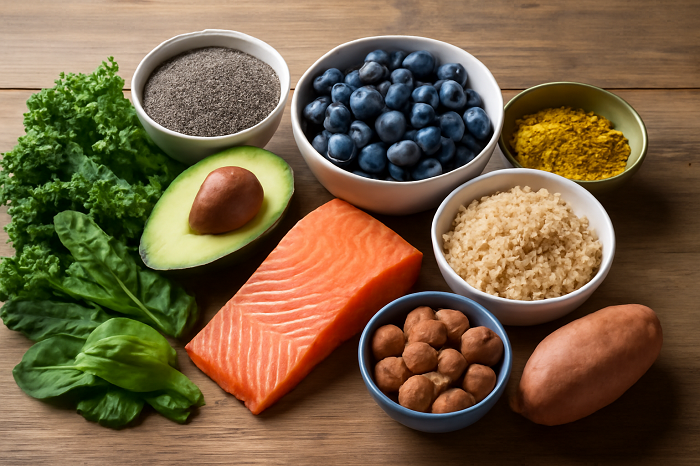
In recent years, the term “superfoods” has become a popular buzzword in the world of nutrition. With so many food options available to us, it can be difficult to know which ones provide the most health benefits. Superfoods are nutrient-rich foods that offer a range of health benefits, from boosting energy and enhancing digestion to protecting against chronic diseases. By incorporating these powerful foods into your diet, you can support your overall well-being and nourish your body from the inside out.
In this article, we’ll explore the top 10 superfoods that should be a part of every healthy diet. These foods are packed with vitamins, minerals, antioxidants, and other essential nutrients that can significantly improve your health. Let’s dive into each one and uncover why you should make them a regular part of your meals.
1. Blueberries: The Antioxidant Powerhouse
Blueberries are often referred to as one of the most antioxidant-rich foods on the planet. These small, vibrant fruits are loaded with anthocyanins, which are powerful antioxidants that help combat oxidative stress and reduce inflammation. Regular consumption of blueberries has been linked to improved brain function, better heart health, and reduced risk of chronic diseases like cancer and diabetes. They’re not only tasty but also incredibly versatile, making them a perfect addition to smoothies, oatmeal, or a refreshing fruit salad.
Nutritional Benefits:
-
Rich in vitamins C and K
-
High in fiber
-
Support heart health and cognitive function
2. Kale: A Nutrient-Dense Green Leafy Vegetable
Kale is often considered one of the healthiest vegetables in the world, and for good reason. This dark leafy green is a nutritional powerhouse, packed with vitamins A, C, and K, as well as minerals like calcium, magnesium, and potassium. Kale is also a great source of antioxidants and fiber, both of which promote digestive health and help reduce inflammation in the body. Its high chlorophyll content may also support detoxification and liver health.
Nutritional Benefits:
-
Excellent source of vitamins A, C, and K
-
High in calcium, magnesium, and potassium
-
Promotes digestive health and detoxification
3. Salmon: A Fatty Fish Packed with Omega-3s
Salmon is one of the best sources of omega-3 fatty acids, which are essential fats that your body cannot produce on its own. These healthy fats play a crucial role in maintaining heart health, reducing inflammation, and supporting brain function. Omega-3s have also been shown to help lower the risk of chronic diseases, including cardiovascular disease and arthritis. Besides being rich in omega-3s, salmon is a great source of high-quality protein and important vitamins like D and B12.
Nutritional Benefits:
-
Rich in omega-3 fatty acids
-
Supports heart and brain health
-
High in protein and essential vitamins
4. Chia Seeds: Tiny Seeds, Big Benefits
Chia seeds are tiny but incredibly nutrient-dense. These little seeds are an excellent source of plant-based omega-3 fatty acids, fiber, and antioxidants. They also contain a significant amount of protein, making them a great addition to vegetarian and vegan diets. Chia seeds are known for their ability to absorb water, which helps keep you hydrated and promotes healthy digestion. When consumed regularly, they can help improve blood sugar levels and reduce the risk of heart disease.
Nutritional Benefits:
-
High in omega-3 fatty acids and fiber
-
Promote hydration and digestive health
-
Help balance blood sugar levels
5. Avocados: Creamy and Nutritious
Avocados have gained immense popularity in recent years due to their creamy texture and impressive health benefits. They are an excellent source of healthy monounsaturated fats, which can help lower bad cholesterol levels and reduce the risk of heart disease. In addition to healthy fats, avocados are rich in potassium, fiber, and vitamins C, E, and K. They also contain antioxidants that support eye health and reduce inflammation in the body. Whether spread on toast, blended into smoothies, or added to salads, avocados are a delicious and nutritious addition to any diet.
Nutritional Benefits:
-
High in monounsaturated fats
-
Rich in potassium, fiber, and vitamins C, E, and K
-
Promote heart and eye health
6. Quinoa: A Complete Protein Source
Quinoa is often considered a supergrain due to its exceptional nutritional profile. Unlike many plant-based proteins, quinoa is a complete protein, meaning it contains all nine essential amino acids that the body cannot produce. This makes quinoa an excellent choice for vegetarians and vegans looking to meet their protein needs. Quinoa is also high in fiber, B vitamins, and minerals like iron and magnesium. It’s a versatile ingredient that can be used in everything from salads and bowls to baked goods and breakfast dishes.
Nutritional Benefits:
-
Complete source of protein
-
High in fiber, B vitamins, and minerals
-
Supports muscle growth and recovery
7. Sweet Potatoes: A Healthier Alternative to Regular Potatoes
Sweet potatoes are a nutrient-packed root vegetable that provide an array of health benefits. They are an excellent source of complex carbohydrates, fiber, and essential vitamins like vitamin A (in the form of beta-carotene) and vitamin C. The high fiber content in sweet potatoes supports digestive health, while the antioxidants help fight free radicals in the body, reducing the risk of chronic diseases. Additionally, sweet potatoes have a lower glycemic index compared to regular potatoes, making them a better option for maintaining stable blood sugar levels.
Nutritional Benefits:
-
Rich in fiber and complex carbohydrates
-
High in vitamins A and C
-
Support digestive health and stable blood sugar levels
8. Almonds: A Nutritious Snack for Heart Health
Almonds are one of the healthiest nuts you can eat, and they make a perfect snack for boosting your energy and satisfying your hunger. These nuts are packed with healthy monounsaturated fats, which help lower LDL (bad) cholesterol and support heart health. Almonds are also high in vitamin E, magnesium, and fiber, making them a great option for promoting skin health, regulating blood sugar levels, and supporting digestive function. Regular consumption of almonds has been shown to help reduce the risk of heart disease and improve overall metabolic health.
Nutritional Benefits:
-
High in monounsaturated fats, vitamin E, and magnesium
-
Support heart health and metabolic function
-
Aid in skin health and digestion
9. Spinach: A Versatile Leafy Green
Spinach is another leafy green that is rich in essential vitamins and minerals. It contains high levels of vitamins A, C, and K, as well as folate, iron, and calcium. Spinach is known for its anti-inflammatory properties and its ability to support eye health, thanks to its lutein and zeaxanthin content. Whether eaten raw in salads, cooked into soups, or blended into smoothies, spinach is an incredibly versatile food that can be easily added to any meal.
Nutritional Benefits:
-
Rich in vitamins A, C, and K
-
Supports eye health and reduces inflammation
-
High in iron and calcium
10. Turmeric: The Golden Spice
Turmeric is a vibrant yellow spice that has been used for centuries in traditional medicine due to its powerful anti-inflammatory and antioxidant properties. The active compound in turmeric, curcumin, has been shown to help reduce inflammation in the body, alleviate joint pain, and improve brain function. Regular consumption of turmeric may also lower the risk of chronic diseases like heart disease, cancer, and Alzheimer’s. Turmeric is often added to curries, smoothies, and teas, making it easy to incorporate into your diet.
Nutritional Benefits:
-
Anti-inflammatory and antioxidant properties
-
Supports joint and brain health
-
May reduce the risk of chronic diseases
Conclusion
Incorporating superfoods into your diet is a great way to boost your health and prevent chronic diseases. The top 10 superfoods mentioned in this article—blueberries, kale, salmon, chia seeds, avocados, quinoa, sweet potatoes, almonds, spinach, and turmeric—offer a wide range of health benefits, from supporting heart health and brain function to reducing inflammation and improving digestion. By adding these nutrient-rich foods to your meals, you can provide your body with the essential vitamins, minerals, and antioxidants it needs to thrive.
Remember, while superfoods are beneficial, they should be part of a balanced diet that includes a variety of nutrient-dense foods. Start small by adding one or two of these superfoods to your diet each week, and gradually increase your intake as you begin to experience their amazing health benefits. Your body will thank you for it!
Frequently Asked Questions (FAQs)
Q1. What are the health benefits of superfoods?
Answer. Superfoods are nutrient-dense foods that offer a variety of health benefits, including improved heart health, better digestion, enhanced brain function, and reduced inflammation. They are packed with essential vitamins, minerals, antioxidants, and other nutrients that can support overall well-being.
Q2. Can superfoods help with weight loss?
Many superfoods, like chia seeds and spinach, are high in fiber and protein, which can help promote feelings of fullness and reduce overeating. Incorporating them into a balanced diet can support weight loss by improving metabolism and controlling hunger.
Q3. How often should I eat superfoods?
It’s important to include superfoods in your diet regularly for optimal health benefits. Aim to incorporate a variety of superfoods into your meals throughout the week to ensure you’re getting a wide range of nutrients.
Q4. Are superfoods a substitute for other foods in my diet?
Superfoods are a valuable addition to a healthy, balanced diet but should not replace other nutrient-rich foods. They should be part of a varied diet that includes fruits, vegetables, lean proteins, and whole grains to support overall health.